
Mental health at work has become one of the most important pillars of organisational success. The World Health Organization estimates that depression and anxiety cost the global economy over US$1 trillion every year in lost productivity (World, 2016). But beyond the numbers, poor mental wellbeing silently impacts creativity, teamwork, and job satisfaction.
A healthy mind is the foundation of a thriving workplace. When employees feel supported, valued, and safe, they bring more energy, focus, and compassion to their work. In turn, companies benefit from lower absenteeism, stronger collaboration, and higher retention.
Here are proven ways organisations can foster better mental health at work, creating a culture where both people and performance flourish.

1. Normalise Conversations About Mental Health
A psychologically safe environment begins with openness. When employees feel comfortable discussing mental health at work without fear of stigma or judgment, they’re more likely to seek help early, preventing small issues from escalating.
Encourage open communication by:
-
- Training leaders and managers to recognise early signs of stress, burnout, or fatigue, and respond with empathy rather than dismissal.
-
- Hosting awareness sessions or internal panels, where employees can share experiences or learn practical coping tools.
-
- Providing anonymous feedback channels, so employees can safely express wellbeing concerns.
When mental health becomes part of everyday conversation, it builds trust and a sense of collective responsibility for wellbeing. A culture that says “it’s okay to talk about it” lays the groundwork for everything else.

2. Recognise the Importance of Rest and Recovery
Rest isn’t an indulgence; it’s maintenance. Modern neuroscience shows that our brains need downtime to restore focus, creativity, and emotional balance, which directly impacts mental health at work (Clinic, 2020). Without regular rest, decision-making declines and stress accumulates.
Encourage recovery by:
-
- Allowing short breaks every 60–90 minutes for stretching, movement, or screen-free moments.
-
- Creating quiet zones or relaxation spaces, where employees can decompress during demanding days.
-
- Integrating wellness activities like meditation, yoga, or workplace massage has been shown to reduce cortisol (the body’s main stress hormone) and improve clarity.
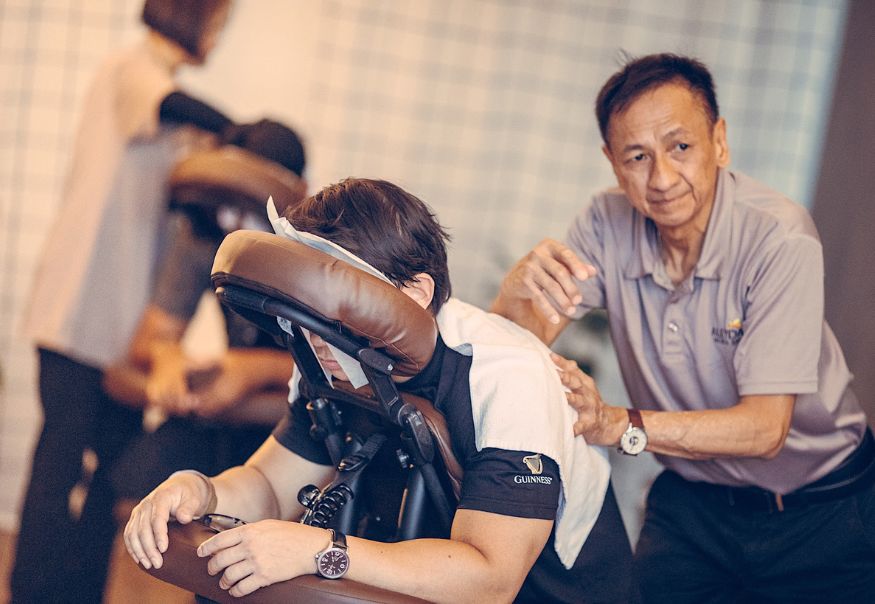
For instance, Aleyda Mobile Spa’s workplace massage programmes bring restorative touch directly to offices, helping teams reset their minds and bodies in just minutes. These sessions aren’t just relaxing; they’re a practical way to improve focus and morale across teams.
Remember: Recovery isn’t the opposite of productivity, it’s what sustains it.
3. Design Work That Supports Human Sustainability
Work should empower people, not exhaust them. The concept of human sustainability means designing work systems that respect energy, attention, and emotional capacity.
Consider these adjustments:
-
- Set clear boundaries for after-hours communication. Encourage teams to unplug once their workday ends.
-
- Offer flexible work arrangements where possible, including remote options, flexible hours, or compressed weeks.
-
- Allow autonomy so employees can manage their pace and priorities, rather than being micromanaged.
A McKinsey Health Institute global survey in 2023 found that job autonomy (among other factors) was one of the “enablers” strongly linked to better workplace well-being and lower burnout symptoms (Brassey et al., 2023). Sustainable work practices aren’t about doing less; they’re about enabling people to do their best for longer.
4. Create Psychological Safety in Teams
Teams thrive when members feel safe to take risks, share ideas, or ask for help without fear of criticism. Harvard researcher Dr. Amy Edmondson calls this psychological safety, and her studies show it’s essential for innovation and mental wellbeing (AAMC, 2019).
To create it:
-
- Encourage leaders to model vulnerability, sharing their own learning moments or struggles.
-
- Establish team norms of respect, inclusion, and constructive feedback.
-
- Focus on solutions, not blame, when problems arise.
A psychologically safe culture doesn’t happen overnight, but it’s a game changer for mental health at work. When people feel seen and respected, they bring their authentic selves to the table. When people feel seen and respected, they bring their authentic selves to the table.
5. Encourage Movement and Physical Activity
Movement is medicine for the mind. Long hours of sitting, tight deadlines, and endless screen time can quietly increase stress and fatigue, negatively impact mental health at work (Watanabe and Kawakami, 2021). Encouraging physical activity helps counteract these effects.
Practical ways to promote movement include:
-
- Hosting “walk-and-talk” meetings instead of sitting in conference rooms.
-
- Providing standing desks or ergonomic setups.
-
- Organising mini wellness sessions, such as stretching breaks or chair massages during long workdays.
Even a few minutes of stretching, deep breathing, or a short massage can improve blood circulation and lift mood (Ma et al., 2017). Companies that promote movement not only reduce musculoskeletal strain but also foster a more energised, mentally balanced workforce.
6. Provide Access to Professional Support
Open culture is vital, but sometimes professional support is necessary. Not everyone can manage mental strain on their own, and having access to experts helps employees feel truly cared for.
Employers can:
-
- Offer Employee Assistance Programmes (EAPs) with access to licensed counsellors.
-
- Partner with mental health specialists for group workshops or one-on-one consultations.
-
- Provide wellness subsidies for therapy, massage, or mindfulness classes.
Making such support visible, not hidden in HR documents, signals genuine commitment to wellbeing. When help is easy to find, employees are far more likely to use it.
7. Cultivate Empathetic Leadership
Leadership is one of the strongest predictors of mental health at work. When managers lead with empathy, they inspire loyalty, trust, and emotional safety (CCL, n.d.).
Empathetic leaders:
-
- Check in regularly, asking “How are you feeling?” rather than just “How’s the project?”
-
- Communicate transparently about challenges and decisions.
-
- Recognise effort and progress, not only outcomes.
According to a Deloitte survey, 87% of employees say having an empathetic manager directly improves their mental health at work . Empathy isn’t just kindness; it’s a leadership strategy that enhances engagement and retention.

8. Integrate Workplace Massage and Mindfulness
One of the most effective, evidence-based methods to support mental health at work is through regular wellness sessions like workplace massage.
Research published in the PubMed found that even a 15-minute chair massage significantly reduces anxiety and improves alertness (T et al., 1996). These benefits extend beyond physical relaxation; massage helps regulate emotions, balance mood, and restore focus.
By scheduling regular on-site or mobile sessions, HR teams send a clear message:
“Your wellbeing matters here.”
That’s why Aleyda Mobile Spa’s corporate wellness programmes are designed to meet teams where they are, in the workplace. Our professional therapists deliver seamless, on-site sessions that boost morale, recharge focus, and promote calm, all within a familiar environment.
Mindfulness can complement these sessions. A brief guided meditation, a mindful breathing break, or even aromatherapy alongside massage deepens relaxation and reduces stress responses. Together, they build emotional resilience in today’s fast-paced corporate world.
9. Measure and Celebrate Wellbeing Progress
Improving mental health at work shouldn’t be a one-off campaign. It’s a journey. Track progress using engagement surveys, pulse check-ins, or wellbeing metrics such as absenteeism or turnover rates.
Celebrate small wins, for example, increased participation in wellness programmes or positive feedback from staff after a massage session. Recognising progress keeps momentum strong and reminds everyone that mental health is a shared success, not a side project.
10. Implementation Roadmap for Employers
Rolling out a mental health at work programme is easier when you follow a clear, phased approach. Here’s a practical roadmap HR teams can use to launch workplace wellbeing initiatives, including corporate massage:
-
- Assess needs: Start with a short pulse survey or focus groups to understand stressors, peak pressure points, and preferred wellness activities. Use this insight to prioritise interventions.
-
- Pilot small: Run a one-month pilot (for example, weekly 15-minute chair massage sessions for a single department). Pilots reduce risk and provide measurable feedback before scaling.
-
- Communicate clearly: Create a simple communications plan so employees know what’s available, how to participate, and why the initiative exists. Emphasise confidentiality and voluntary participation.
-
- Train champions: Identify wellbeing champions across teams to model participation and gather grassroots feedback. Peer advocates increase uptake and normalise self-care.
-
- Measure & refine: Use quick post-session surveys and key metrics (participation rate, mood scores, reported stress) to assess impact and refine the programme.
-
- Scale sustainably: If the pilot shows positive results, expand incrementally while keeping frequency and budget aligned with demonstrated benefits.
This step-by-step approach helps employers implement mental health initiatives thoughtfully, ensuring they feel relevant and manageable for both staff and leadership.

11. Measuring ROI and Key Metrics
Organisations often ask: how do we know if mental health at work initiatives are paying off? While not every benefit is easily monetised, there are clear indicators employers can track:
-
- Engagement and participation rates: High uptake suggests programmes are valued. Track attendance at wellness sessions and clicks on wellbeing resources.
-
- Pulse survey scores: Short, anonymous wellbeing surveys before and after interventions reveal changes in stress, focus, and morale.
-
- Absenteeism and presenteeism metrics: Monitor sick leave trends and instances of presenteeism (working while unwell) over time. Improvements here signal reduced strain.
-
- Performance indicators: Look for improvements in productivity measures, error reduction, or internal project timelines that may correlate with wellbeing programmes.
-
- Qualitative feedback: Employee testimonials, manager observations, and stories about improved team dynamics provide rich context that numbers sometimes miss.
Combining quantitative and qualitative measures produces a fuller picture of ROI. Even small positive changes can justify continued investment when framed in human and business terms.
Conclusion: Making Mental Health a Workplace Priority
Supporting mental health at work isn’t just a trend, it’s a strategic investment in people and performance. When organisations normalise open communication, prioritise rest and recovery, and integrate wellness initiatives such as workplace massage, they cultivate resilience, engagement, and trust.
A workplace that prioritises mental health helps employees not just survive the workday, but thrive through it.
At Aleyda Mobile Spa, we believe in bringing care to where it’s needed most, the workplace. Through touch, empathy, and evidence-based wellness, we help teams recharge both body and mind, one session at a time.
References
AAMC. (2019). Amy Edmondson: Psychological safety is critically important in medicine. [online] Available at: https://www.aamc.org/news/amy-edmondson-psychological-safety-critically-important-medicine
Brassey, J., Herbig, B., Jeffery, B. and Ungerman, D. (2023). Reframing employee health: Moving beyond burnout to achieving physical, mental, social, and spiritual health | McKinsey. [online] www.mckinsey.com. Available at:https://www.mckinsey.com/mhi/our-insights/reframing-employee-health-moving-beyond-burnout-to-holistic-health
CCL. (n.d.). The Importance of Empathy in the Workplace. [online] Available at: https://www.ccl.org/articles/leading-effectively-articles/empathy-in-the-workplace-a-tool-for-effective-leadership.
Clinic, C. (2020). Why Downtime Is Essential for Brain Health. [online] Cleveland Clinic. Available at: https://health.clevelandclinic.org/why-downtime-is-essential-for-brain-health
Ma, X., Yue, Z.-Q., Gong, Z.-Q., Zhang, H., Duan, N.-Y., Shi, Y.-T., Wei, G.-X. and Li, Y.-F. (2017). The Effect of Diaphragmatic Breathing on Attention, Negative Affect and Stress in Healthy Adults. Frontiers in Psychology, [online] 8(874), pp.1–12. doi:https://doi.org/10.3389/fpsyg.2017.00874.
T, F., G, I., F, S., T, N., A, G., I, B., J, P., N, F., S, S. and C, K. (1996). Massage therapy reduces anxiety and enhances EEG pattern of alertness and math computations. [online] The International journal of neuroscience. Available at: https://pubmed.ncbi.nlm.nih.gov/8884390/.
Watanabe, K. and Kawakami, N. (2021). Association between sitting time at work and the onset of major depressive episode: a 1-year prospective cohort study using the Bayesian regression. BMC Public Health, 21(1). doi:https://doi.org/10.1186/s12889-021-12059-y.
World (2016). Investing in treatment for depression and anxiety leads to fourfold return. [online] Who.int. Available at: https://www.who.int/news/item/13-04-2016-investing-in-treatment-for-depression-and-anxiety-leads-to-fourfold-return